Detailed Fence Installation Designs
Grasp the Function of a Landscaper in Developing and Sustaining Thriving Exterior Settings
The purpose of a landscaper is much more than simple beauty. Landscapers combine artistry with ecological principles to design sustainable outdoor environments. Via thoughtful picking the right plants and thoughtful design, they improve usability while encouraging ecological diversity. However, the impact of their work extends well past one specific location. Recognizing the multifaceted responsibilities of landscapers shows profound consequences for public welfare and the state of nature. Which elements genuinely influence their decisions in shaping these critical natural settings?
The Craft and Discipline of Designing Outdoor Spaces
Though some see landscape design as merely an aesthetic pursuit, it fundamentally intertwines creativity and knowledge to develop balanced exterior settings. A effective landscape designer must understand the rules of planning, like symmetry, size relation, and pattern, while also thinking about nature's needs. The blending of indigenous flora, soil types, and climate conditions is critically important in forming long-term ecosystems.
Through the use of artistic elements such as color, texture, and form, landscape designers fashion visually appealing spaces that connect with human emotions. In parallel, scientific knowledge guarantees that these designs are practical and sustainable, handling problems such as drainage, plant growth, and pest management.
Through this marriage of creative skill and ecological knowledge, landscapers convert ordinary areas into dynamic, useful spaces that boost public welfare and foster a connection to nature. Ultimately, landscape design is a thoughtful discipline that encourages a deeper appreciation for the surrounding world.
Necessary Talents and Credentials of a Landscaper
To excel in the field of landscaping, individuals need to have a varied collection of talents that combine specialized expertise with real-world application. A deep knowledge of horticulture is essential, which permits landscapers to choose the right flora and understand how they need to grow. Competence in using landscape design software holds growing significance, enabling designers to create detailed plans and visual aids for customers.
Additionally, bodily endurance and agility are crucial, as landscaping often involves heavy lifting, digging, and operating machinery. Communication skills play a vital role, enabling landscapers to work closely with customers and fellow workers successfully.
Formal education in horticulture or a similar discipline improves a landscaper's credibility, while certifications from recognized organizations can solidify their skill set. Ultimately, a combination of these skills and credentials prepares landscapers to provide attractive and useful outdoor environments, fulfilling the diverse needs of their clients.
Choosing and Acquiring Flora for Optimal Growth
A landscaper's capacity to choose and source plants is essential for developing robust outdoor settings. This process involves a keen understanding of horticultural science, climate conditions, and ground composition. Through assessing the unique location factors, landscapers may determine varieties that will flourish in the specific setting, leading to perfect cultivation and durability.
Furthermore, sourcing plants from established suppliers or regional producers is essential. This provides assurance of the health and quality of the plants but also supports sustainable practices. Landscapers often consider native plants, which are adapted to local ecosystems and require less maintenance, establishing them as a sustainable preference.
Moreover, the choosing method must account for yearly fluctuations, making sure the area looks fresh all twelve months. By carefully choosing a variety of vegetation, landscapers create visually appealing spaces and supporting ecological balance and environmental equilibrium, which fosters durable green spaces.
Creating Functional Outdoor Spaces: Structure and Aesthetics
Developing practical exterior areas necessitates thoughtful planning of planning and aesthetics to ensure efficient use of the area. A skilled landscaper balances aesthetic appeal with utility, improving the enjoyment of the area. Thoughtful design does more than optimize function but integrates seamlessly into the nearby setting.
Effective Space Utilization
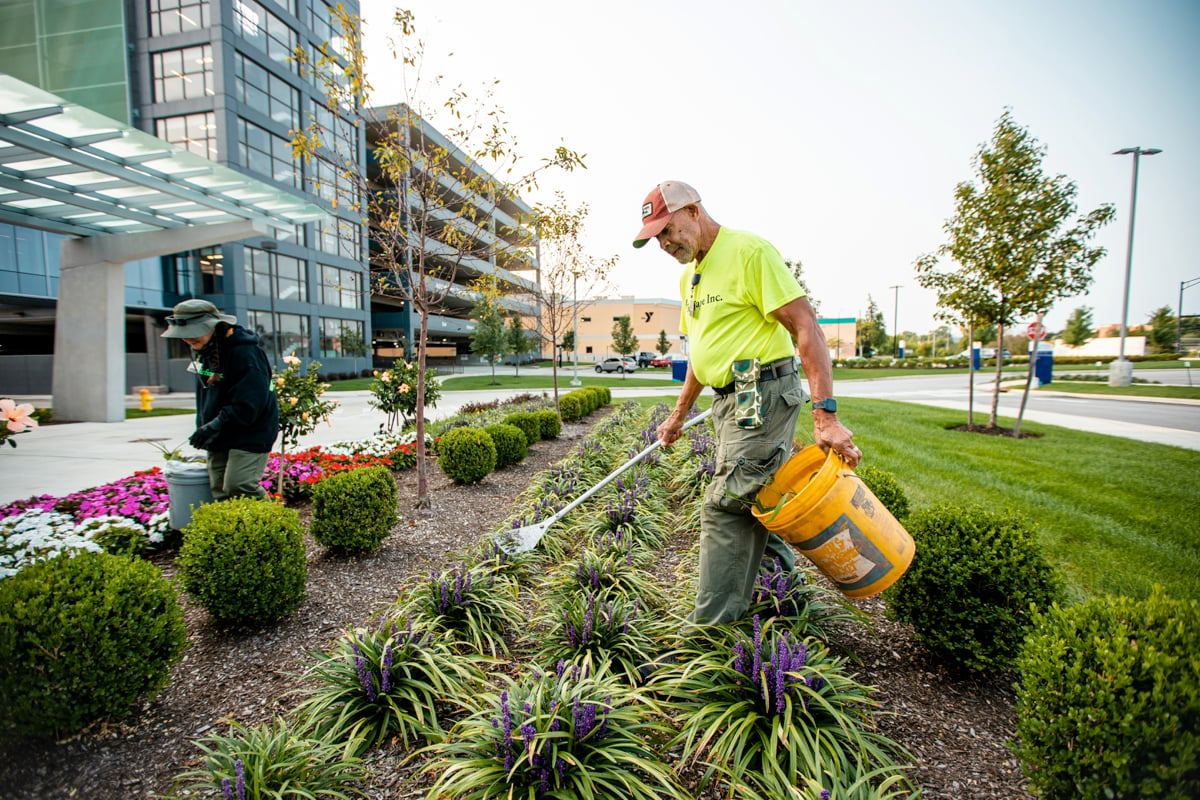
While many homeowners envision their outdoor spaces as mere extensions of their interior environments, efficient use of the area transforms these areas into usable and welcoming areas. Landscapers serve a crucial function in assessing the specific measurements and attributes of the location, making certain that all available area is utilized for activity and enjoyment. Careful planning and arrangement include features like trails, seating areas, and plant beds that promote flow and engagement. Navarre Landscaper. By analyzing factors like solar exposure, air currents, and existing structures, professionals establish harmonious environments that cater to the personal preferences of the homeowners. This strategic planning not only enhances usability and promotes a sense of link between interior and exterior areas, making them key elements of a seamless domestic life
The Harmony of Form and Use
Attaining a balanced visual and practical harmony in outdoor spaces necessitates thoughtful evaluation of the aesthetic components and practical use. Designers need to assess the desired use of the space as well as the design aesthetics. For instance, designing a rest spot should include cozy seating while ensuring it complements surrounding plants and pathways. Good spatial organization ensures an organic progression, facilitating simple navigation and accessibility. Incorporating features such as lighting, aquatic features, and varied flora improves both the visual appeal and functionality. Moreover, using robust supplies makes certain that outdoor spaces withstand various weather conditions, maintaining their functionality over time. Ultimately, a great exterior layout combines aesthetic pleasure with functional sense, developing spaces that encourage relaxation and address the requirements of users.
The Importance of Environmental Sustainability in Landscaping
Environmental sustainability in landscaping is vital for protecting nature and fostering species variety. By focusing on environmentally sound plantings and implementing effective water conservation techniques, landscapers can design exterior areas that are both beautiful and sustainable. This method boosts the visual quality but also supports the sustained vitality of the natural environment.
Eco-Friendly Plant Selection
What role do professionals play to a more robust environment through their selection of flora? Through the use of local and low-water species, landscapers have a vital function in promoting environmental sustainability. Navarre Landscaper. Indigenous species need minimal care, benefiting native animals and minimizing the reliance on synthetic nutrients and chemical sprays. These plants develop stronger roots, boosting the vitality of the earth and mitigating washout. Additionally, using a wide selection of flora types fosters biodiversity, which is essential for ecological durability. Landscapers can additionally use organic practices, such as composting and mulching, to decrease environmental impact. Through careful plant selection, they not only create vibrant outdoor spaces but also contribute to the preservation of local ecosystems and the overall health of the environment
Strategies for Water Efficiency
Landscapers can significantly improve sustainability in outdoor environments by utilizing effective water conservation techniques. One frequently used approach is the use of xeriscaping, which involves selecting drought-resistant plants that demand minimal irrigation. Additionally, landscapers can design efficient irrigation systems, like drip irrigation, which provides moisture directly to the plant roots, cutting down on waste. Rainwater harvesting systems may also be included, making possible the collection and storage of rainwater for landscape use. Mulching assists in keeping soil moisture and decreases water loss, further contributing to water conservation. Furthermore, landscapers should inform clients about appropriate watering schedules to guarantee efficient use of water resources. By utilizing these strategies, landscapers are crucial in promoting environmental sustainability while keeping up vibrant outdoor spaces.
Upkeep Methods for Healthy Gardens
While many may view maintenance as a routine chore, it is critical for cultivating vibrant outdoor environments. Proper maintenance routines guarantee that landscapes stay healthy and aesthetically pleasing throughout the seasons. Regular tasks feature mowing, pruning, and weeding, which assist in promoting growth and deter pests and diseases.
Irrigation systems must be monitored and adjusted to guarantee that plants receive adequate water without excessive runoff. Mulching not only conserves moisture but also suppresses weeds, leading to a cleaner appearance. Fertilization, when used wisely, offers vital nutrients that bolster plant health.
Additionally, addressing drainage issues is critical to prevent waterlogging, which could ruin root systems. Seasonal assessments enable landscapers to identify and address potential problems before they worsen. Through these diligent maintenance practices, landscapes will prosper, fostering environments that are both practical and visually appealing.
The Financial and Communal Benefits of Green Areas
While frequently ignored, landscaped spaces play a significant role in improving profitability and societal welfare in local areas. Thoughtfully planned green spaces draw in commerce and raise real estate prices, since prospective purchasers value beauty and natural areas. Moreover, designed environments aid community commerce through supplying sites for functions and enjoyable pastimes, encouraging visitors and societal participation.
Socially, these environments support emotional balance and physical condition, giving locals locations for rest, activity, and natural connection. Parks and gardens serve as communal hubs, strengthening communal bonds and promoting societal participation. Moreover, neatly kept outdoor spaces mitigate urban warmth, improve air quality, and enhance biodiversity, creating healthier living conditions.
Fundamentally, landscaped spaces not only beautify neighborhoods but also offer substantial economic benefits and foster a sense of belonging, establishing them as crucial elements of flourishing societies.
Commonly Asked Questions
What Gear Do Gardeners Utilize Routinely?
Landscapers regularly use tools such as digging tools, leveling tools, cutters, mowers, and weeding tools. In addition, they frequently use barrows, bush shapers, and edging machines to examination skillfully form and preserve exterior environments in line with layout details and patron choices.
How Do Landscapers Handle Pest Control in Outdoor Spaces?
Landscapers manage pest control using integrated approaches, such as determining the type of pests, implementing biological or chemical solutions, encouraging helpful bugs, and executing protective actions like correct planting and area maintenance to keep exterior areas thriving.
What Are Common Challenges Landscapers Face During Projects?
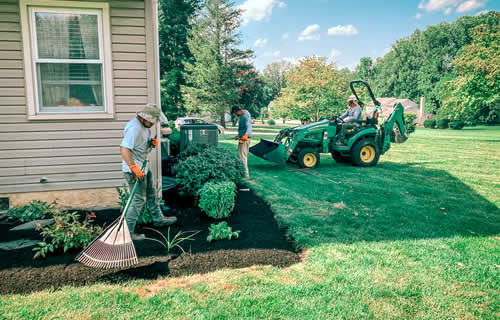
Gardeners commonly run into difficulties like erratic climate, financial limitations, poor ground conditions, insect outbreaks, and customer demands. These issues often hinder the completion dates and influence the total achievement of the landscape project.
How Do Seasons Affect Landscaping Projects and Maintenance?
Seasonal changes heavily influence gardening efforts and care, because warmth, moisture levels, and sun exposure dictate plant vitality, earth quality, and pest behavior. Landscape professionals need to adjust their methods appropriately to guarantee successful outcomes throughout the year.
What is the typical timeline for executing a landscaping project?
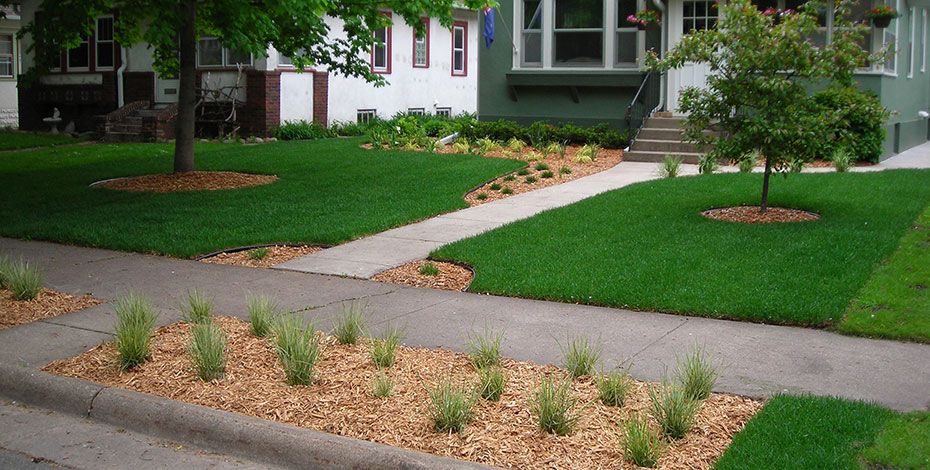
A common landscaping project timeline can take anywhere from a couple of weeks to multiple months. Elements that affect the timeline involve project scope, weather conditions, and seasonal factors, requiring thorough planning and organization for it to be completed successfully.